Home/Services/Vascular Surgery

Vascular surgery

Move forward with
clearer answers.

Specialist assessment and treatment for varicose veins and circulation concerns.

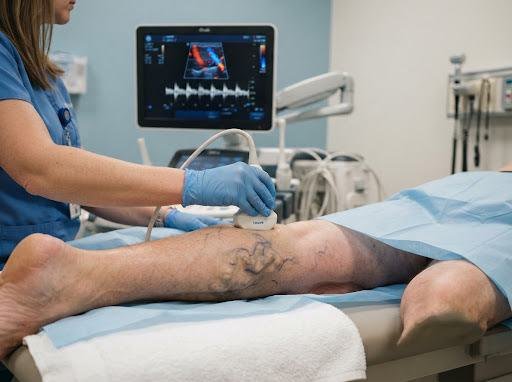
Ultrasound assessment of varicose veins

When to get in touch

What brings you here?

Varicose veins

Visible or uncomfortable veins in your legs.

Pain when walking

Leg discomfort that eases with rest.

Other circulation concerns

Leg ulcers, swelling or a vascular diagnosis.

You do not need to know what treatment you need before your first visit.

Your first appointment

Assessment with a clear next step.

Mr Crinnion will listen to your symptoms, examine your circulation and explain whether an ultrasound scan or further tests are appropriate.

For varicose veins, an ultrasound assessment may be completed during the initial visit.

01

Listen

We’ll discuss your symptoms, medical history and concerns.

02

Assess

A clinical examination and, where appropriate, an ultrasound scan or further tests.

03

Discuss your options

We’ll explain your diagnosis and the most suitable treatment options for you.

Care options

A plan suited to your condition.

Varicose veins

Assessment and minimally invasive treatment where suitable.

Arterial disease

Investigation and specialist treatment planning.

Other vascular conditions

Individual advice about appropriate next steps.

Common Questions

Questions before your visit?

Do I need to know what is causing my symptoms before booking?

No. Your consultation is a chance to describe your symptoms, have an assessment and discuss whether any tests are needed.

An ultrasound (duplex) scan is the standard way to assess varicose veins, as it shows which veins are not working properly. It can often be completed during your first visit. For other circulation concerns, Mr Crinnion will explain whether a scan or further tests would help.

No. Not everyone with varicose veins needs treatment. If treatment is appropriate, minimally invasive options such as endovenous laser ablation or sclerotherapy are usually performed under local anaesthetic with a quick recovery.

Mr Crinnion will explain your diagnosis and the most suitable options. If you decide to go ahead with treatment, you will receive written information about the procedure and aftercare, and a date can be arranged at the hospital most convenient for you.

Have a Question?

Get in touch or book a consultation — we’re here to help.