Home/Services/General Surgery

General surgery

Straightforward care for common conditions.

Assessment and treatment of gall stones, hernias and other general surgical conditions, with keyhole surgery where suitable.

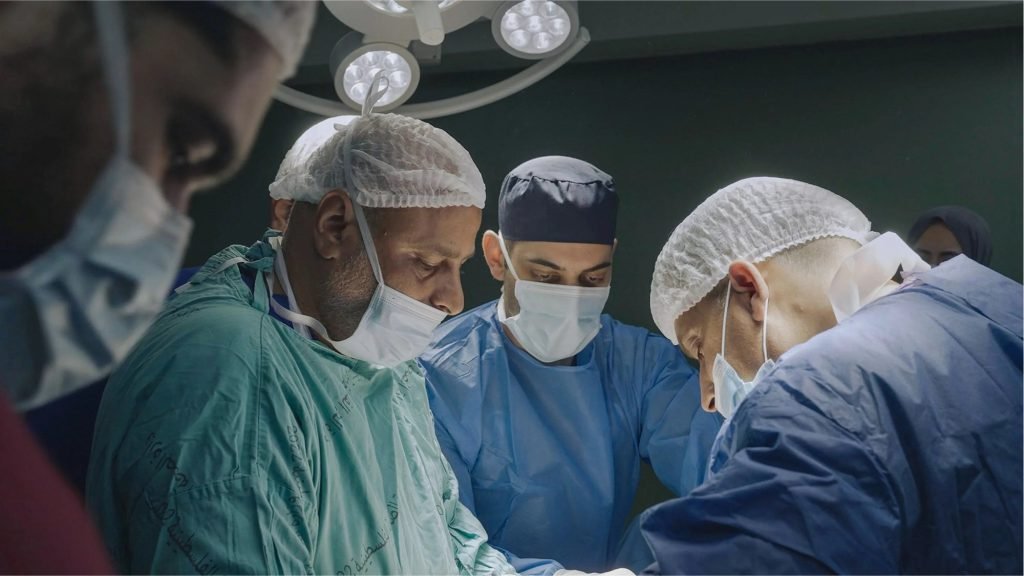
Surgeons operating in theatre

When to get in touch

What brings you here?

Gall stones

Pain in the upper abdomen, often after eating, or gallstones seen on a scan.

A hernia

A bulge in the groin or around the belly button that may ache with activity.

Other lumps and bumps

Skin and soft tissue lumps that need a specialist opinion.

If you are unsure whether your symptoms need a surgeon, a consultation is a good place to start.

Your first appointment

Assessment with a clear next step.

Mr Crinnion will listen to your symptoms, examine you and explain whether an ultrasound or other scan would be helpful.

If an operation is recommended, he will explain the options, the risks and benefits, and what recovery will involve.

01

Listen

We’ll discuss your symptoms, medical history and concerns.

02

Assess

A clinical examination and, where appropriate, an ultrasound scan or further tests.

03

Discuss your options

We’ll explain your diagnosis and the most suitable treatment options for you.

Care options

A plan suited to your condition.

Gall stones

Laparoscopic (keyhole) cholecystectomy when treatment is advised.

Inguinal hernia

Open mesh repair or laparoscopic repair, tailored to you.

Umbilical hernia

Open repair with sutures or mesh, depending on the size of the defect.

Other general surgical conditions

Assessment and individual advice about the next steps.

Common Questions

Questions before your visit?

Do gallstones always need treatment?

No. Most people with gallstones have no symptoms and need no treatment. Surgery is generally recommended once gallstones cause pain or complications such as infection, jaundice or pancreatitis.

Most gallbladder and hernia operations are performed as day cases. An overnight stay may be needed if your operation takes place late in the day.

It depends on the type and size of the hernia, whether it is on one or both sides and whether it has been repaired before. Mr Crinnion will explain the open and keyhole options and recommend the most suitable approach.

Gentle walking is encouraged straight away. Most patients are close to normal within one to two weeks, with heavy lifting and strenuous core exercise avoided for around six weeks.

Have a Question?

Get in touch or book a consultation — we’re here to help.